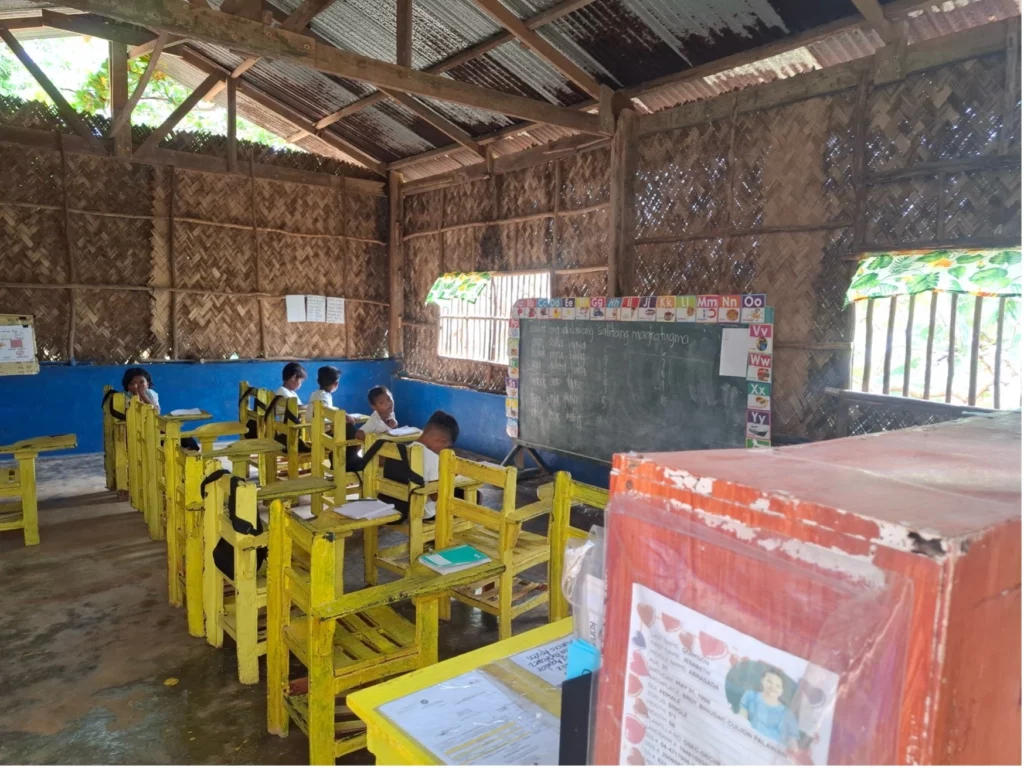
For roughly 50 children living across the small islands surrounding Sitio Alulad in Culion, Palawan, getting an education can begin with a 15 to 20-minute boat ride.
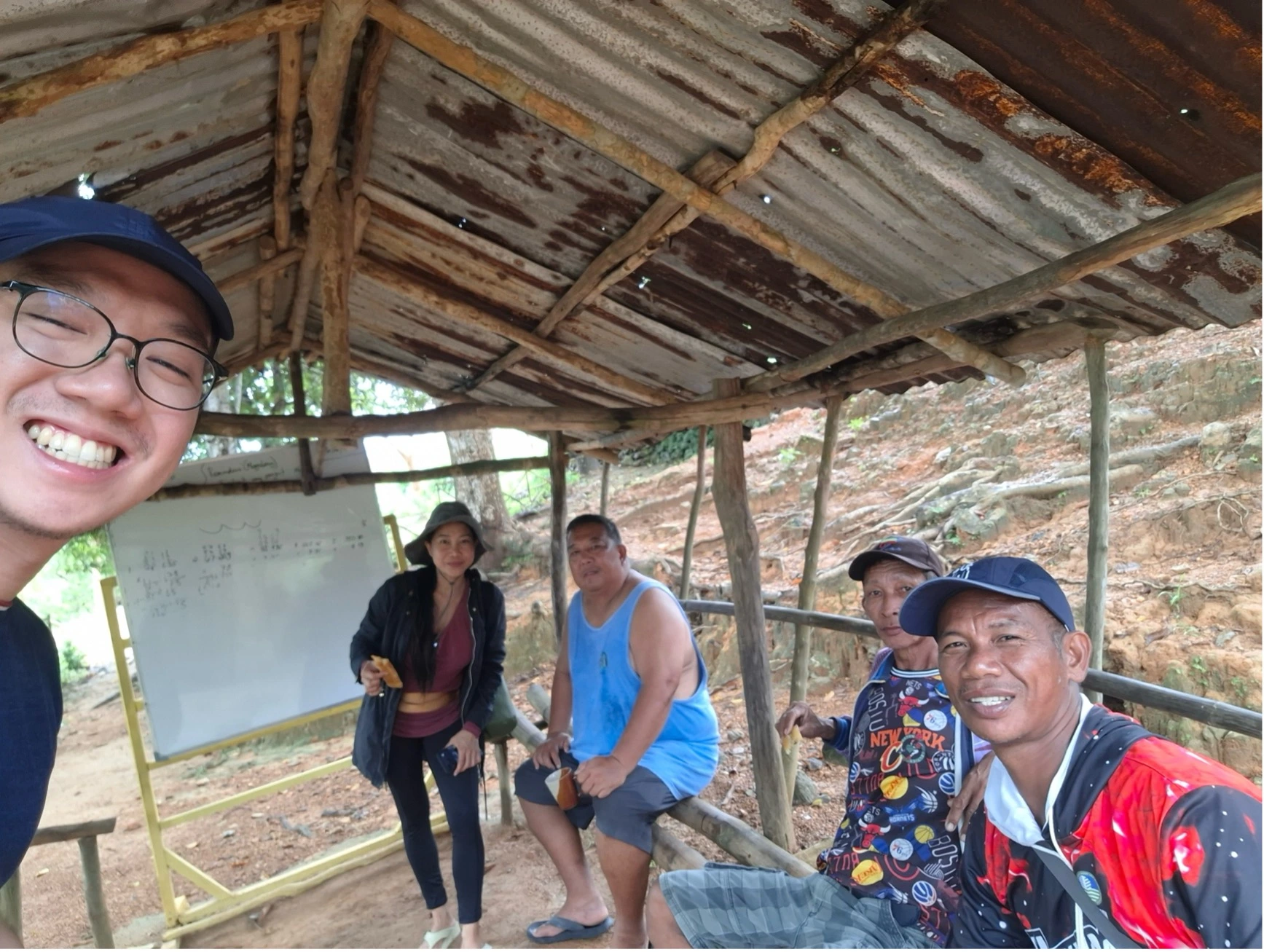
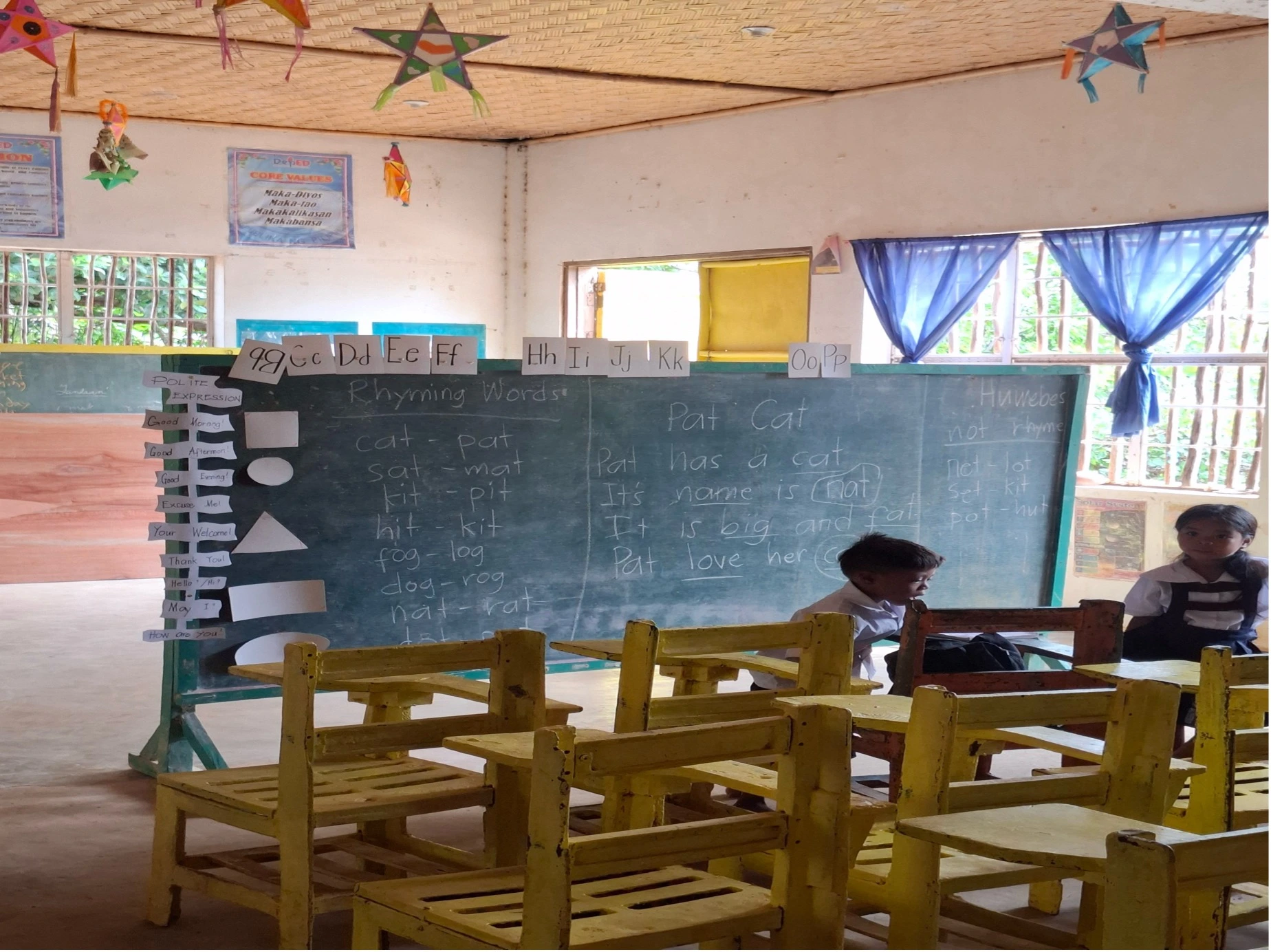
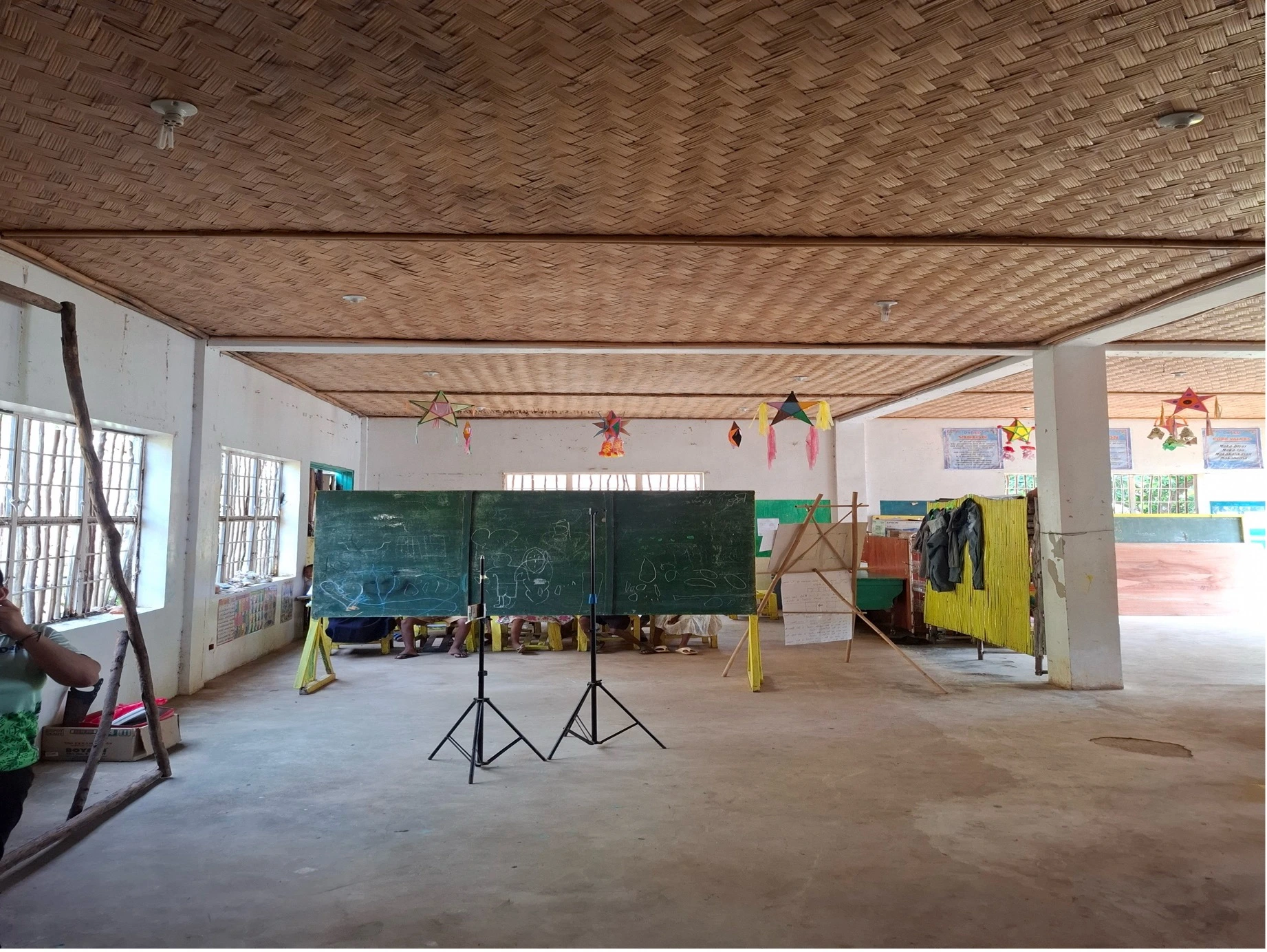
When they arrive, there is no official school building waiting for them. Classes at Alulad Elementary School are currently held in existing community structures, including an evacuation center and a church, with four teachers handling multiple grade levels from kindergarten through Grade 6.
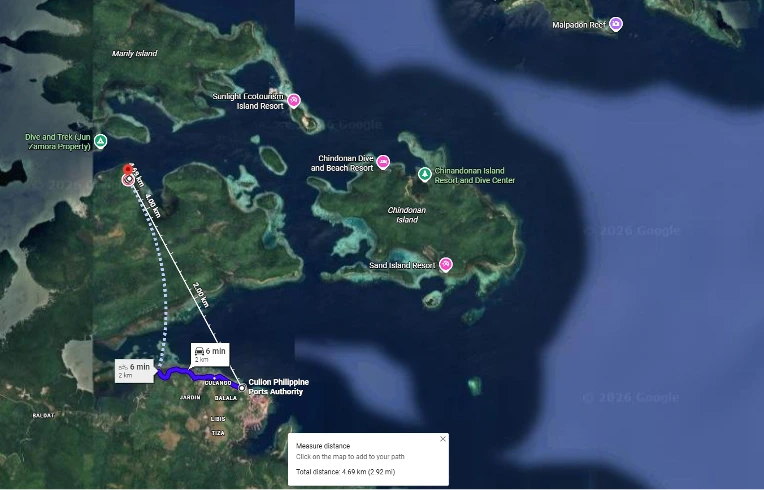
That is something the Calvin Ayre Foundation (CAF) hopes to change through Project Alulad, a new initiative to build a proper elementary school for this remote, predominantly Tagbanua community in Barangay Baldat, Culion.
The project began through Elsie Pardo, CAF’s local point of contact in Culion, who has lived in Palawan for nearly two decades and developed close ties with the community. Over the years, Pardo had been helping Alulad’s children in her own way, providing notebooks, pencils, and other school supplies at the beginning of the school year.
But she knew the community needed something more permanent.
“The obvious thing that they need there is the school for their children because they don’t have a proper school,” Pardo said.
So she brought the idea to CAF founder Calvin Ayre. His response, she recalled, was immediate: “Okay, let’s do it.”
“CAF has a history of education initiatives. We really do like to focus on education. When Elsie presented this to us, it sounded like something that would combine my love of education and my love for building. We hope more students in the Alulad community will go on to pursue higher education by having better facilities when they are young,” Ayre said.
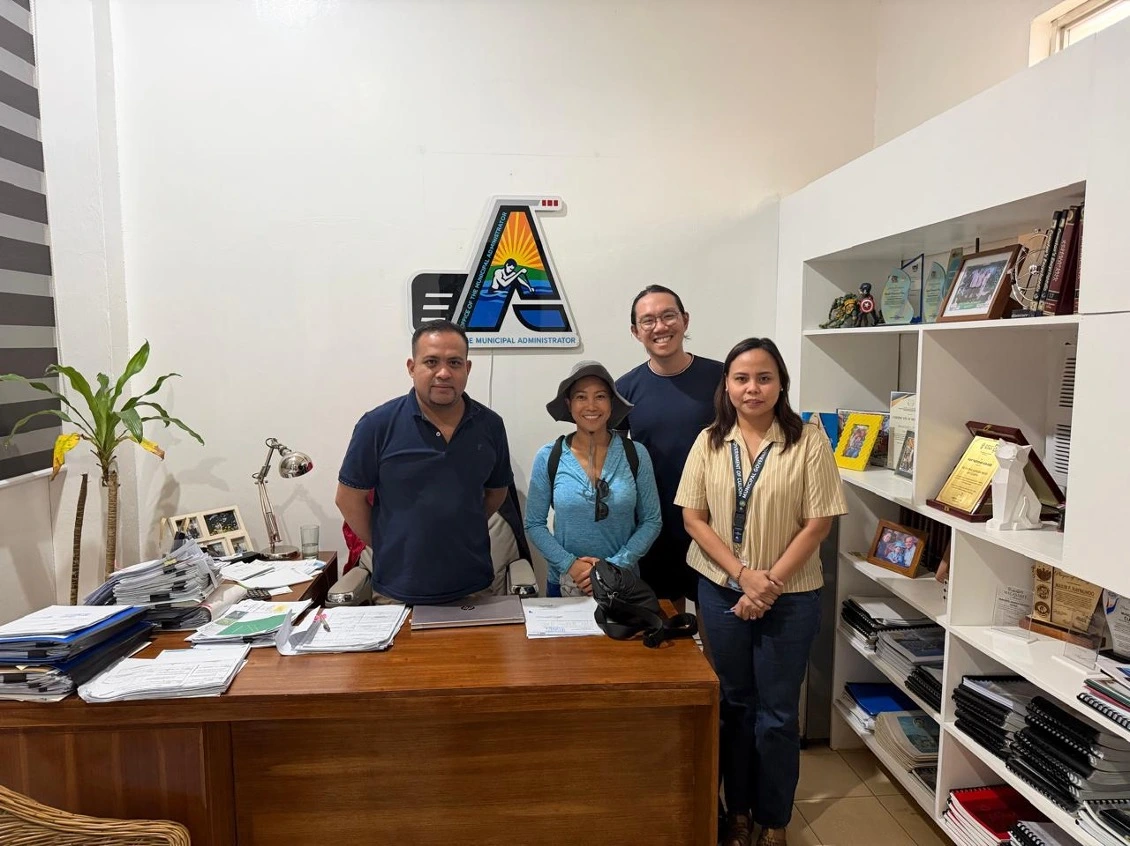
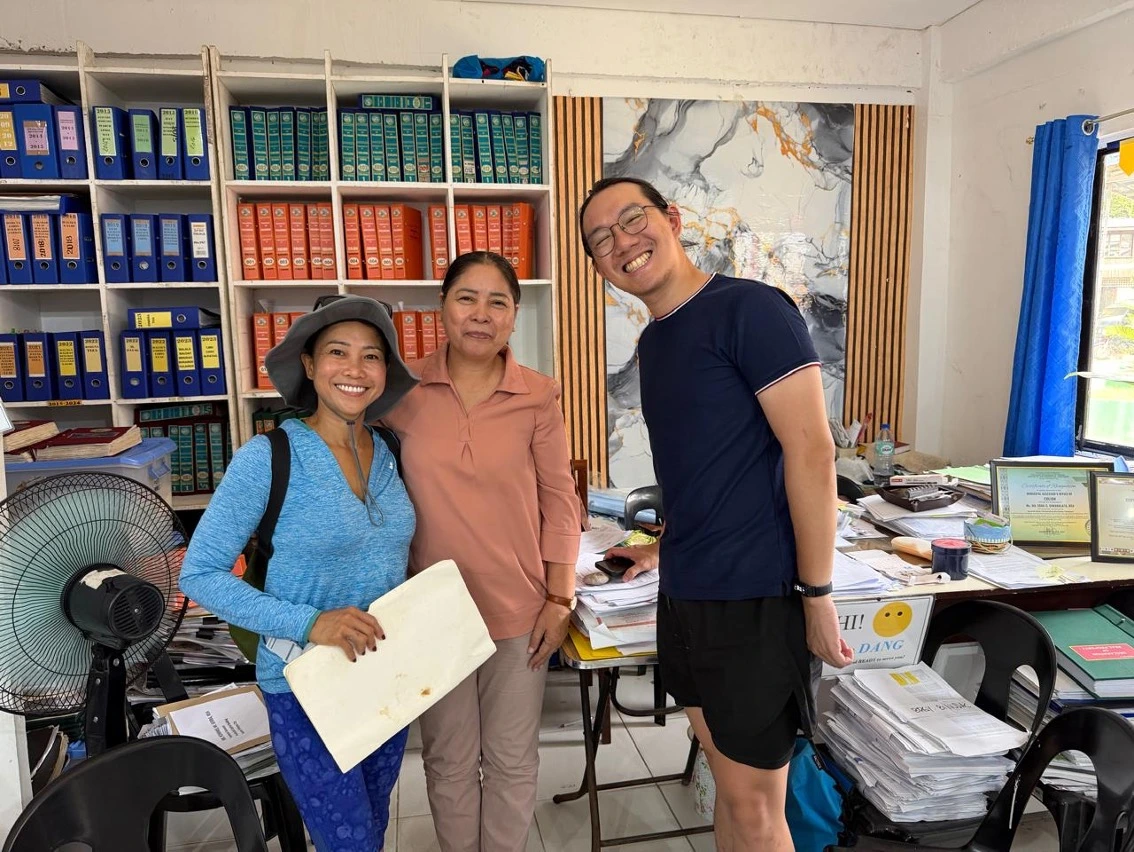
Project Alulad is now moving through its design and planning stages in consultation with the Department of Education (DepEd), the local government, and representatives of the Indigenous Peoples community. Initial plans call for four classrooms, along with essential infrastructure suited to the remote, off-grid location.
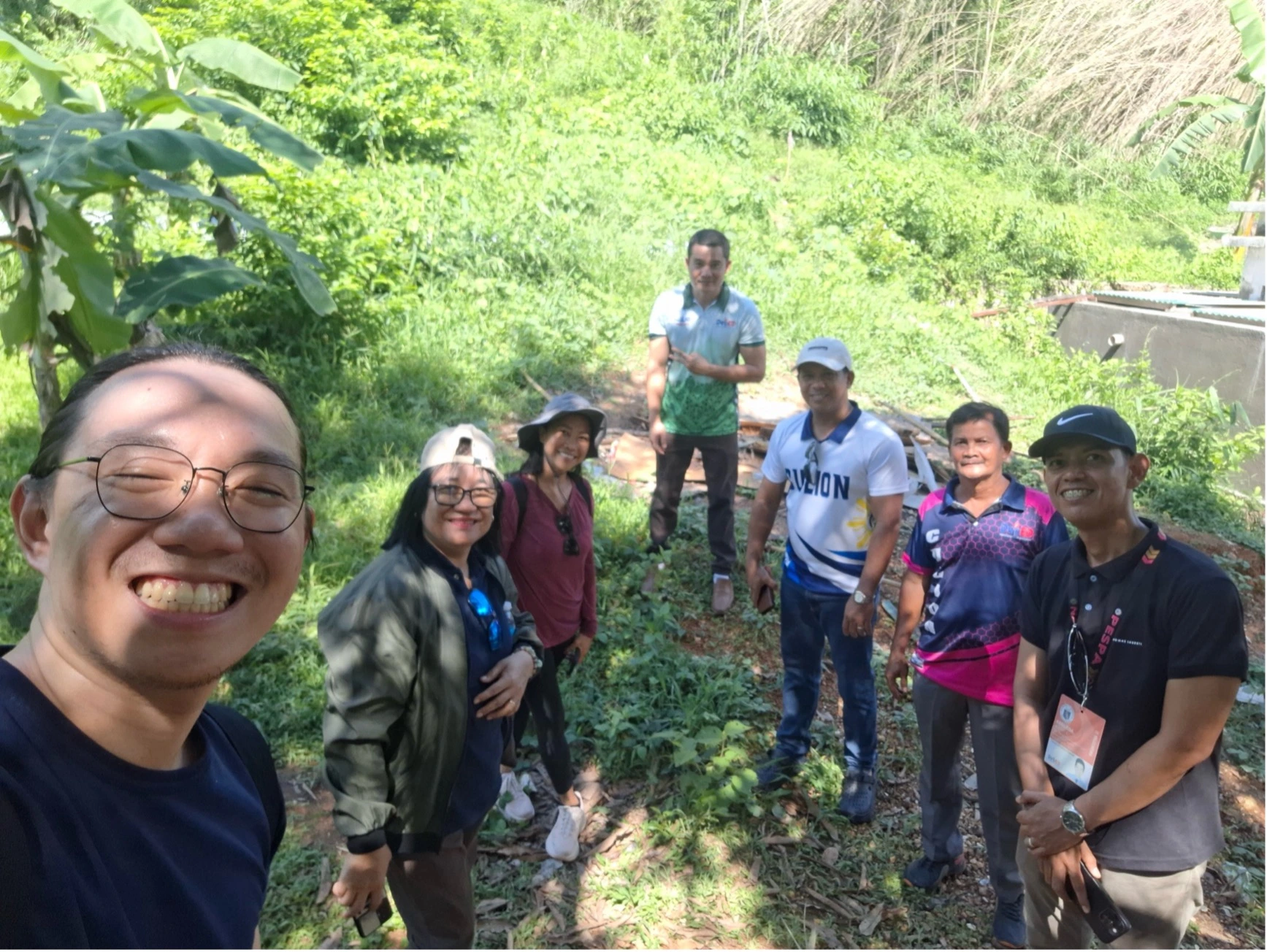
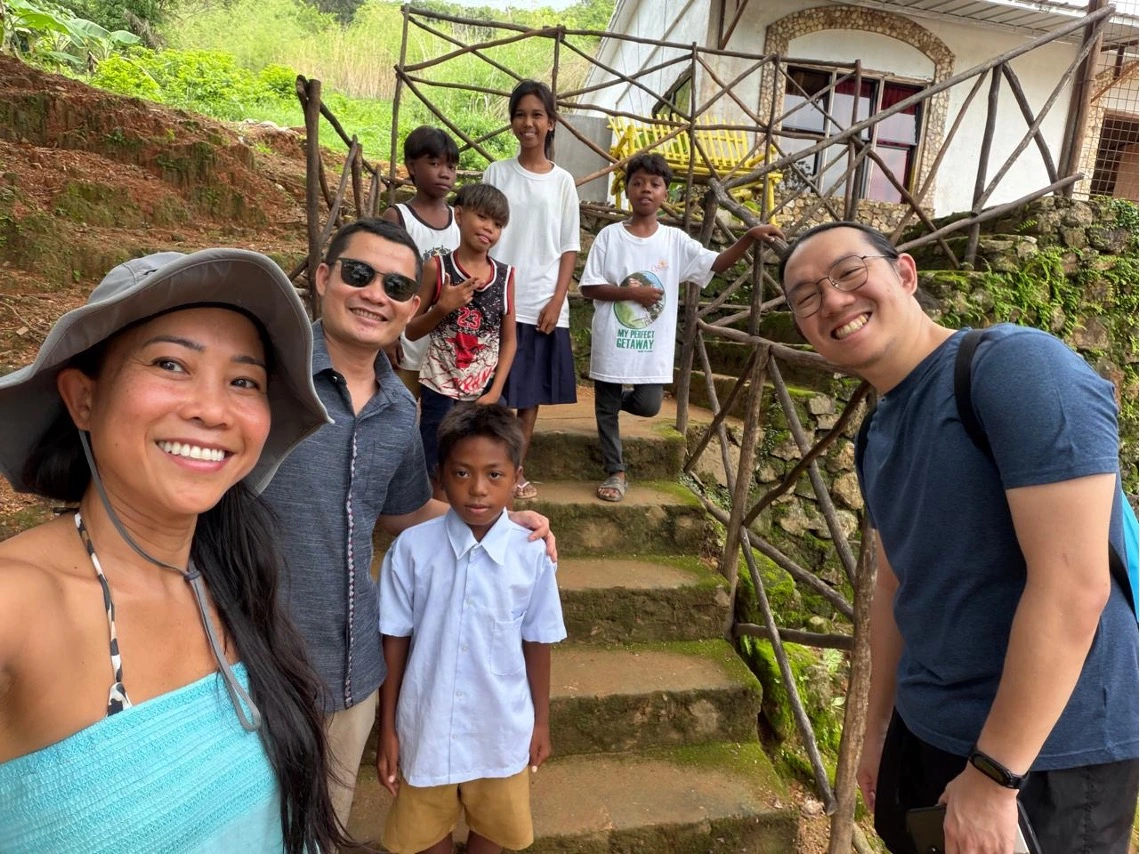
Architect and project manager Jon Rubert “JR” Yap said the need became clear as soon as he visited the school.
“The moment you get off the boat, you climb a set of steps leading into what would be the first few structures where you see students learning,” Yap said. “When you enter their learning space or their classrooms, you can really see why they would need a new school.”
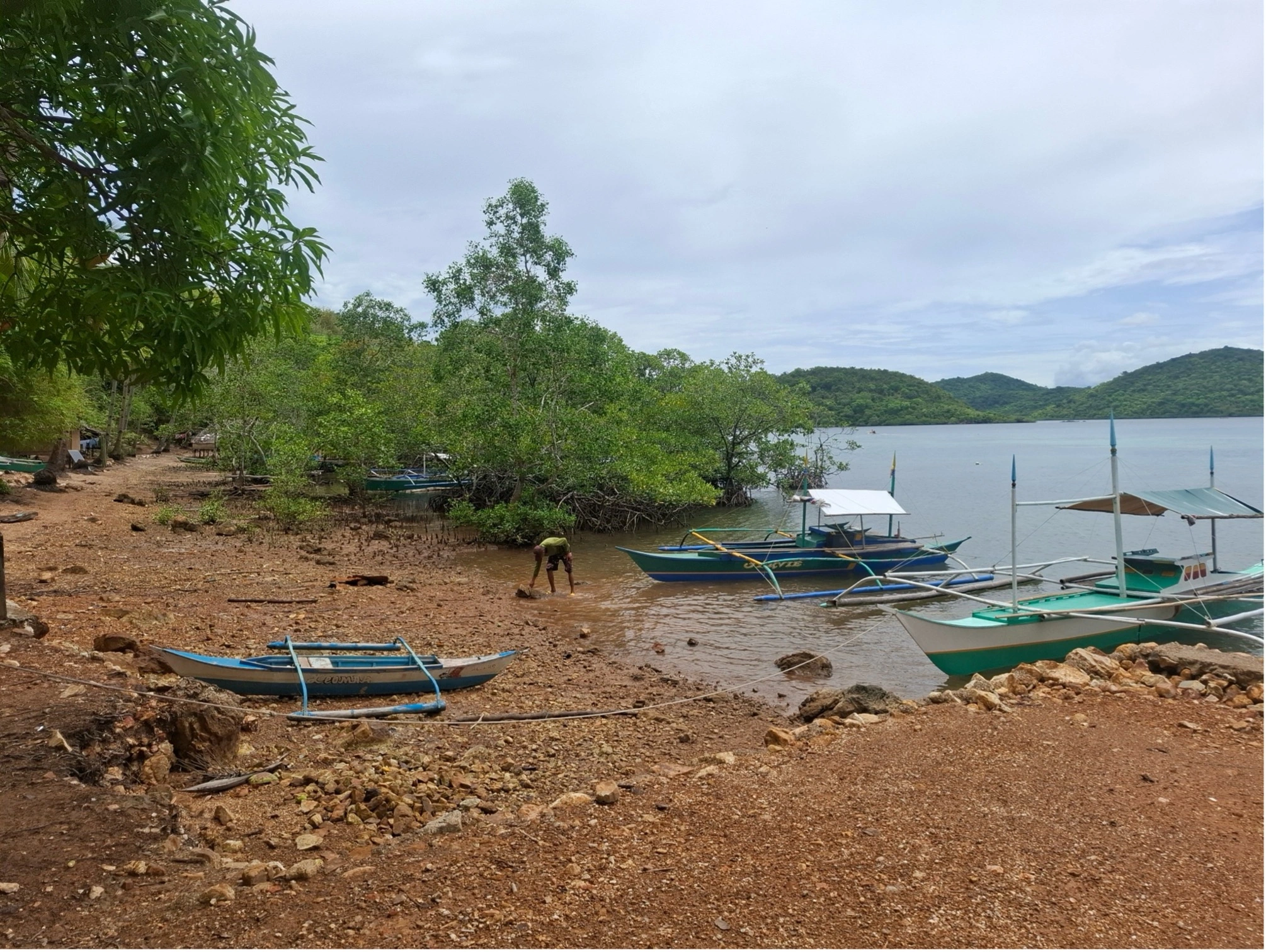
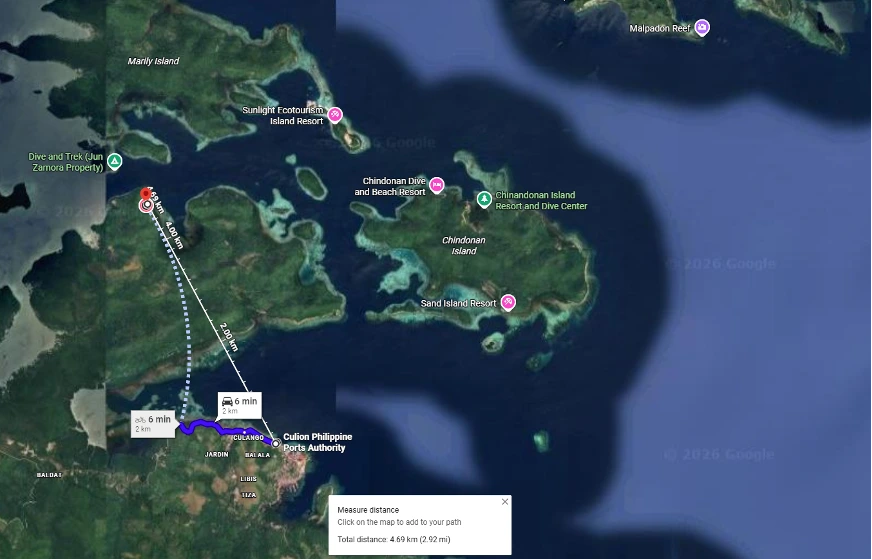
Building in Alulad comes with challenges rarely encountered in more accessible communities. The site has no direct water source, requiring a 20-minute boat ride to the nearest deep well. Its existing solar setup cannot adequately support even basic needs such as lighting or a printer, while construction materials will have to be transported by boat from municipalities one to two hours away.
The project is expected to address some of these challenges, with off-grid power, water, and connectivity among the infrastructure requirements being considered alongside the school itself.
The project targets completion before the start of the 2027–2028 school year, with the completed school to be formally turned over to DepEd in time to welcome students for the new academic year.
For Pardo, seeing the project finally take shape is deeply personal.
“I feel very grateful, very, very grateful,” she said. “I just want them to have a proper school… this is not only for now. It’s for the next generation.”
And Project Alulad could ultimately reach beyond this one community.
“This school-building project is a pilot. If this first one works, I would like to do more in remote areas of the Philippines, and maybe eventually in other countries as well,” Ayre said. “Education is the one thing nobody can ever take from you.”